So often, the words feminine and strength are not used in the same sentence.
As women and gender-expansive people, we are often underestimated, devalued, or seen as objects to ogle at rather than full human beings who have dignity and worth. Fmme Strng pushes back on that, and encourages our whole community to take up and take back space.
I started Fmme Strng because I was tired of fitness cultures that encourage impossible beauty standards, thin, lean body types as the only type worthy of showing up, racial exclusivity, homophobia in athletics, and a world of sport that centers straight men for everything.
Fmme Strng combines the values of belonging, equity, and health with a deep acknowledgement that everybody deserves care, fitness, and access.
Health, wellbeing, and mental health practices are not a luxury, but a necessity to live a full, meaningful, and purposeful life.
Grounded in the principles and values of multiracial feminism, Fmme Strng draws on inclusivity and belonging to create playful, joyful, and fun fitness clothing, media, and education that is meant to refresh the stale and tired dynamics of business as usual in the fitness industry.
As women, gay and queer people, and gender-expansive people, we have come so far building lanes for ourselves where there was no lane, whether through trailblazing icons like Billie Jean King, Christy Martin, Rell Sunn, Brittney Griner, Vanessa Torres, and Schuyler Bailar, or through the everyday courage of people choosing to show up as themselves.

Instead of hiding our femininity or sexuality to compete in sport, instead of hiding our bodies to go to the gym, instead of making ourselves more bland to fit into whitewashed wellness spaces, Fmme Strng is about building an affirmational vision of what health and wellbeing can look like when we keep belonging at the center.
Instead of hiding our femininity or sexuality to compete in sport, Fmme Strng is about building an affirmational vision of health and wellbeing with belonging at the center.
Reclaiming strength from the inside out.
I grew up in the 1990s and 2000s receiving the message that smaller was better, that thinness was the body type with worth, and that size zero was the preference. Receiving those messages as a young girl from pop culture, magazines, and the media started a shame spiral of yo-yo dieting and hating my body that lasted through my teenage years and into my early adulthood.
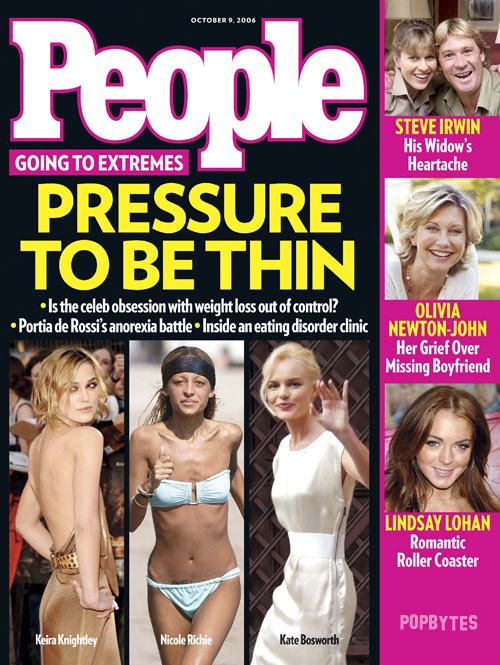
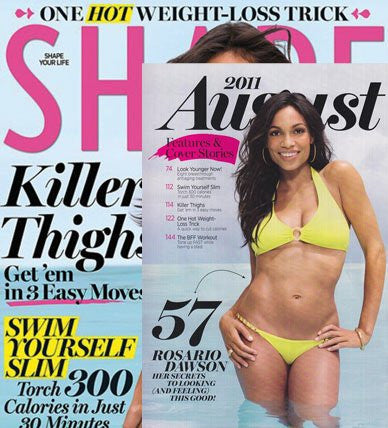
It was not until I found lifting weights and learned to eat to nourish and fuel myself, instead of punish myself, that I was able to reclaim a sense of self-worth and begin loving my body for what it could actually do, instead of striving for a fabricated "ideal."

We have also come so far in the culture around this. Women and gender-expansive people in strength sports, lifting communities, fight gyms, surf spaces, and beyond have expanded the idea of why we train. More of us are taking up space with weights not only for aesthetics, but because strength training helps protect us from bone loss and osteoporosis, improves posture, supports our performance across sports, and helps build dignity and self-worth. The collective "why" behind our strength has evolved for the better, and I am grateful to have been a part of that transformation.
Autonomy, dignity, and self-worth are not optional.
At the same time, I am also a feminine woman in a society with deep entitlement to women and feminine bodies, and where queer and trans people cannot simply move through the world and trust they will be safe from harassment and homophobia. As a feminine woman, I have experienced, more times than I can count, harassment, stalking, and diminishment. I have been harassed in nightclubs. Men follow me around my neighborhood in their cars and ask me to get in. I have had men expose themselves to me on the street and online.
And there are other experiences that I do not want to talk about... But I am not a special snowflake. Most women have stories like this. This is part of a collective reality: the CDC reports that nearly half of women in the United States experience some form of contact sexual violence in their lifetimes, more than one in five women experience completed or attempted rape, and almost one in three women experience verbal sexual harassment in a workplace or public place.
That same denial of safety is part of queer and trans people's daily reality, where homophobia and transphobia can mean violence, exclusion, and a serious mental health toll. Transgender people are victimized by violent crime more than four times as often as cisgender people. Anti-LGBTQ+ victimization is also a driver of higher suicide risk for young people.
As women, we have the right to dignity in our bodies. We have the right to boundaries about who gets to touch us, when, and how. We should be able to say no, and that should be respected. That is not a given in our culture.
No person should have to hide who they are. Queer and trans people should be able to be their full selves without having to hide. That is also not a given in our culture.
.jpg)
Fmme Strng is built on a commitment to autonomy, dignity, and self-worth. Our bodies belong to us. We deserve agency and sovereignty. We deserve to make decisions. We do not owe access to our bodies to anybody else.
Fmme Strng is built on the premise of autonomy, dignity, and self-worth for women+ and gender-expansive people. Our bodies belong to us.
Learning to Strike Back
When I started Muay Thai in 2024, it was empowering to learn how to hit back finally. There have been many times throughout my life when my reaction was to freeze. Gaining tools to actually respond when someone would do you harm was empowering. I want that for so many more people, on our terms. Combat sports are still male-dominated, but women are continually taking up and taking back space in that world. And because of our persistence, our power is being recognized.
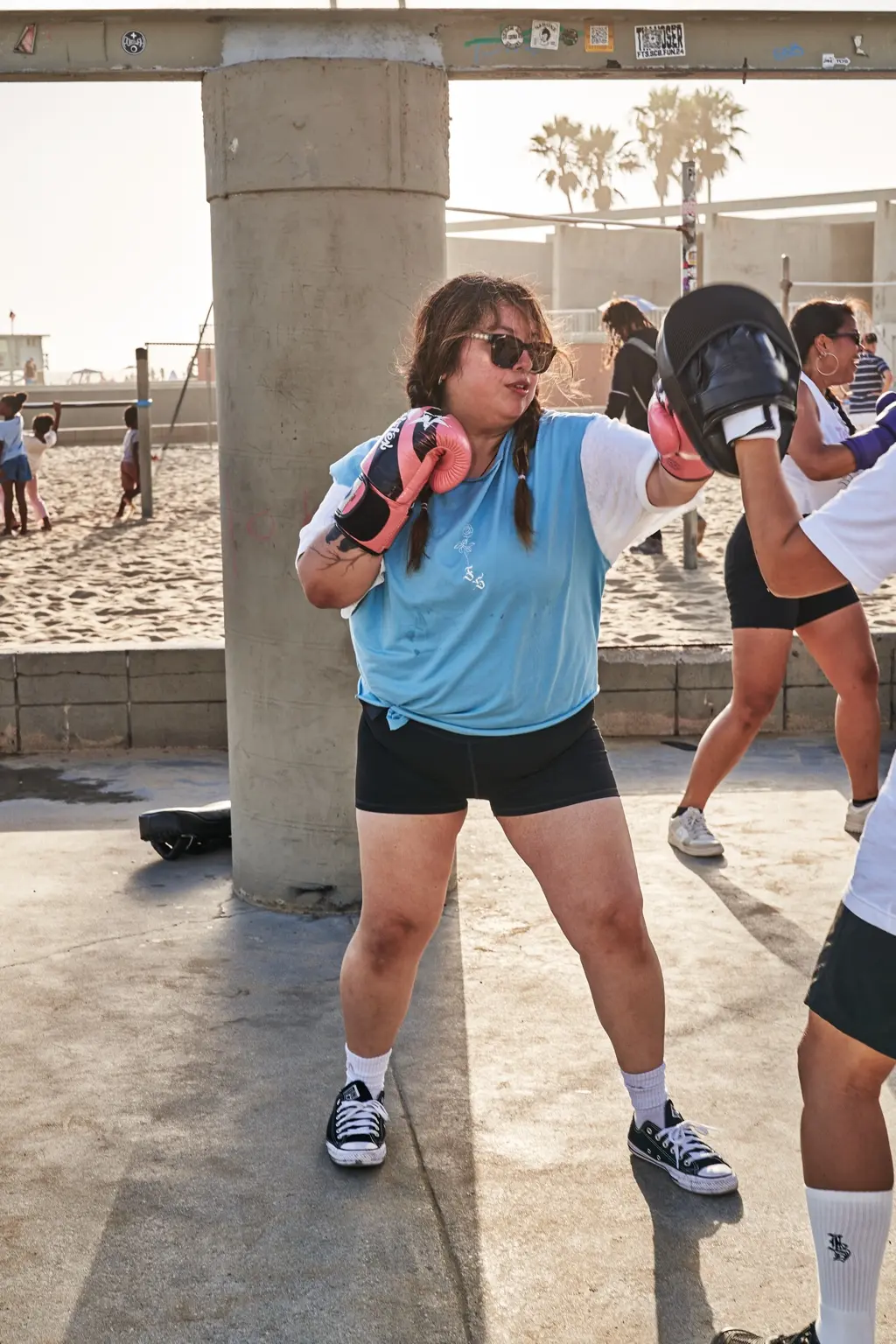
Taking back space is not about taking from anyone else.
Our recent Venice shoot was one example of taking up and taking back space. When we filmed at the heavy bags, there were men using the bags before us, as there usually are. I have been to Venice Beach more times than I can count, and I have actually never seen the heavy bags with women training there, even though women do train. It is funny how public space can show underlying dynamics in our culture.
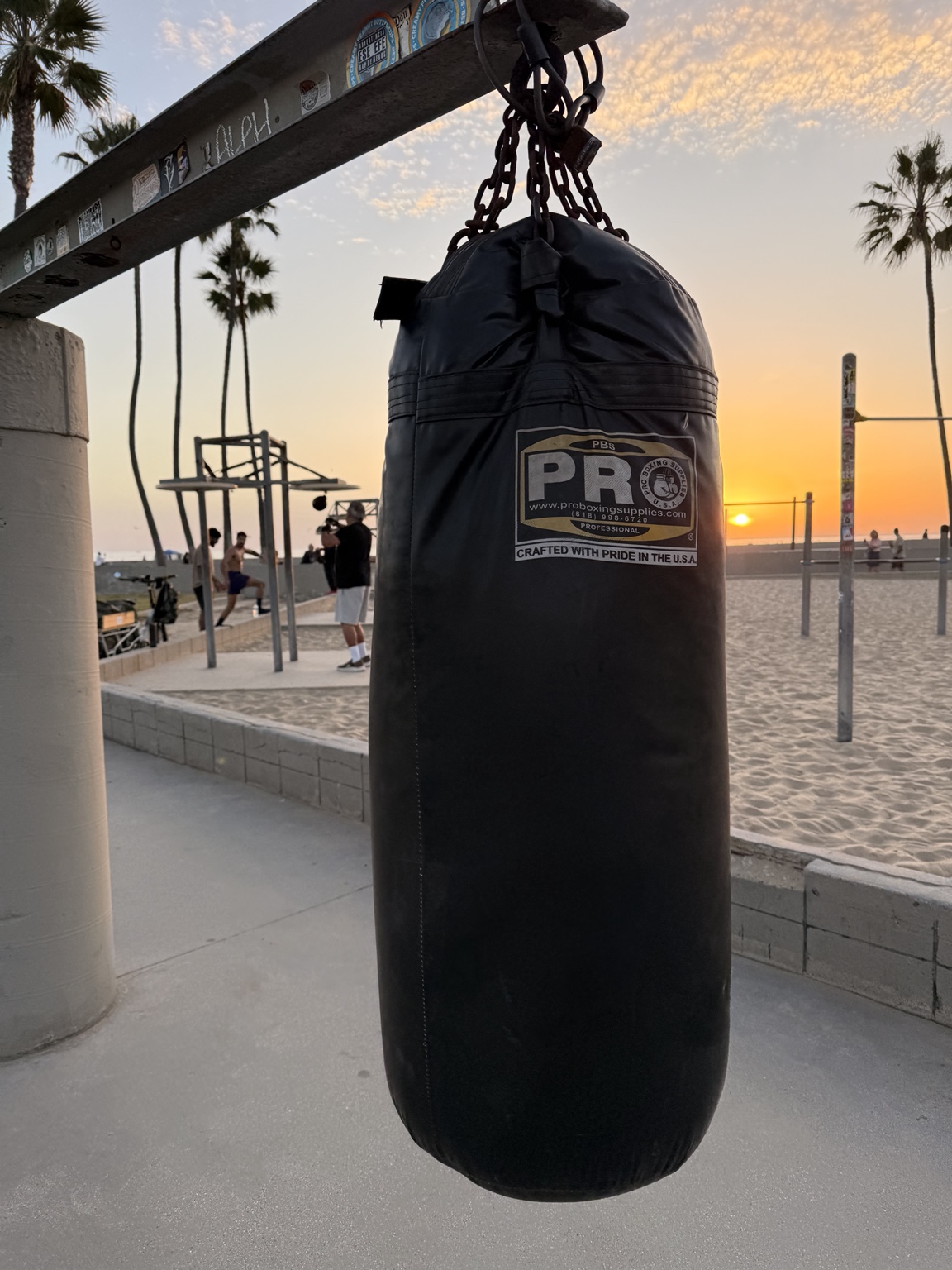
I went up to the men who were training and explained what Fmme Strng is and asked if we could shoot there. They paid us respect and left to make space for us to shoot. We give a lot of credit to them.
Fmme Strng is not about diminishing somebody else or showing anyone disrespect. It is about taking up the space we have not always been able to take.
Fmme Strng respects masculinity, and strong men respect feminist strength. Strong men respect gay and trans people. This work is not about making strength smaller for anyone else. It is about saying, clearly and repeatedly, that the words feminine and strength belong in the same sentence, that queer and gender-expansive people belong. We all deserve dignity, safety, and wellbeing.
Strong men respect feminist strength. Strong men respect gay and trans people.
Taking back the water.
Fmme Strng is not only about gender equity. We are about racial equity. These two things are forever intertwined.
It was an act of resistance for our incredible models to be on the shores of the Pacific coastline; one of the most beautiful coastlines in the world, a deeply cathartic place.
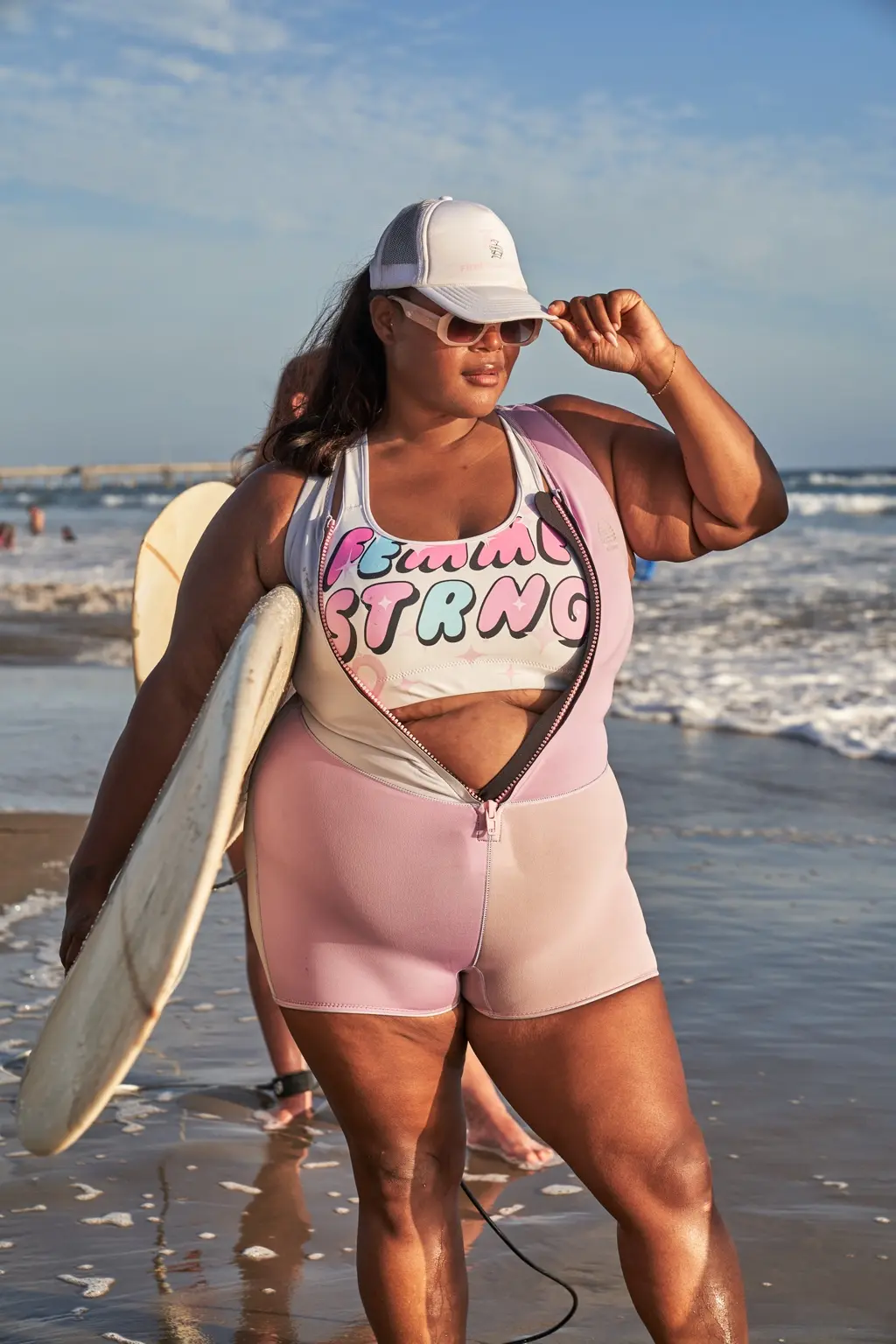
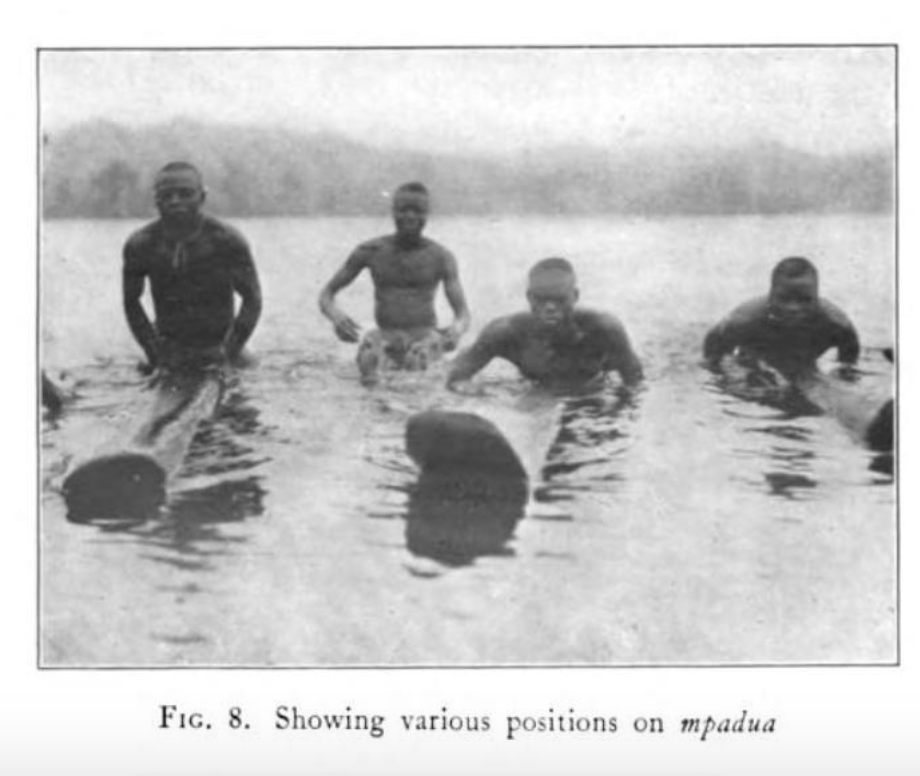
For so long, Black communities have been shut out of white male-dominated surf scenes, even though surfing does not belong to one culture alone. Historians have documented independent wave-riding traditions along Atlantic Africa, including accounts from the Gold Coast, now Ghana, dating back to the seventeenth century.
In the United States, racial apartheid under Jim Crow meant that public beaches and pools were segregated, and many Black Americans were banned, excluded, and pushed away from safe places to swim. That history has created a disturbing pattern where systemic racism limited access to swimming education. The CDC still reports stark drowning disparities, including that Black children ages 10 to 14 drown in swimming pools at 7.6 times the rate of white children, while American Indian or Alaska Native people under age 30 have natural-water drowning death rates 2.7 times higher than white people. This is an urgent safety issue, an access issue, and a human rights issue.

Black women and women of color taking up space at the water carry beauty, joy, racial power, and historical significance. At Fmme Strng, we are proud to support these lineages of reclaiming, and proud to support our models in expressing their full humanity.
Belonging takes intention and care.
Our Venice shoot was an example of how we build multiracial solidarity in practice. Fmme Strng shoots bring together people from many walks of life, identities, histories, and lived experiences. Every time we bring community together, we learn a little bit more about how to make the vision we have for Fmme Strng real. Putting our values of belonging and equity into practice does not happen overnight. It takes intention, care, and honest repair when needed.
That is what Fmme Strng is about: not expecting that our values will come into practice automatically, but rather being in the messy practice of putting those values into practice.
This happens in dialogue with community, and it happens through continual learning, evolution, and growth.
The clothes are also part of the reminder.
Fmme Strng Apparel is inspired by so many lineages of iconic apparel: streetwear, surf and skate culture, athletic apparel, and vintage varsity clothing. But all of our looks have one thing in common: we aim to create affirmational, comfortable pieces that people feel at home in.
Our clothing is designed to be worn from the beach to the street, from the gym to your cozy moments at home. The laid-back and athletic silhouettes can be worn in the gym or outside of it, but the deeper idea is that when you put them on, you are stepping into an energy: comfort, self-trust, and taking up space.
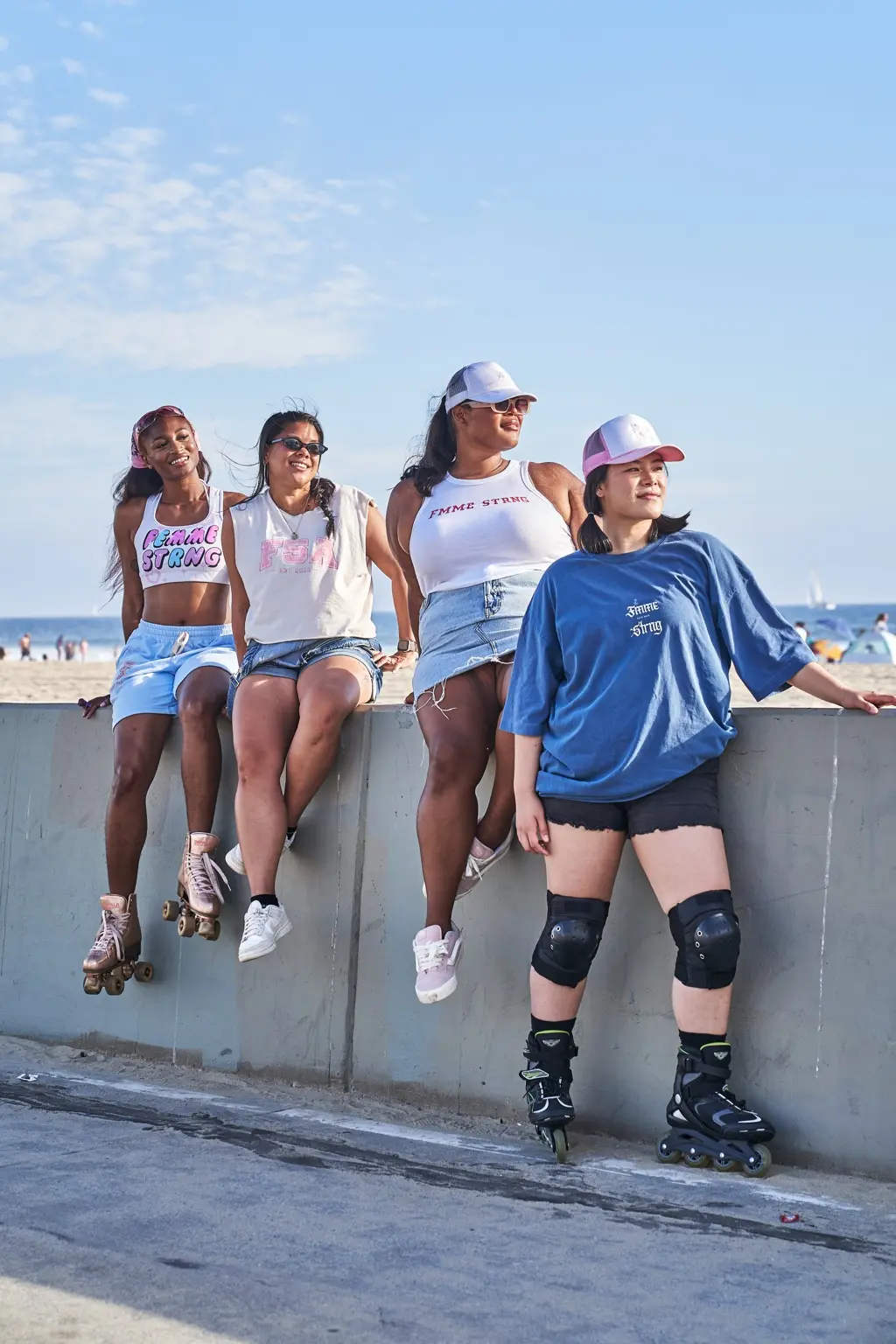
As a whole, our clothes are not a costume for becoming someone else. They are a reminder: you already belong here. The Fmme Strng Varsity pieces, the Artful Rose typography, and the Old English lettering each say it differently, but the message underneath is the same: we deserve to belong, and we deserve to take up space.
Fmme Strng is becoming.
This journal is part of the next chapter. So is the Fmme Strng Pod and its first series, a three-part series sharing magic and insight from Maya in Bloom, where we will talk about everything from ancestral plant healing to women in strength sports to taking back the water.
When I first visited Venice Beach 17 years ago, I fell in love with the energy, the beauty of the ocean, and the feeling that the pulse of Los Angeles met the natural beauty of the beach. When I first came to Venice Beach, I was starry-eyed, young, and slightly naive, and I had no idea what the next 15 years would have in store, but I wouldn't change a thing. As an 18-year-old, I never could have imagined that 17 years later Fmme Strng would exist. I never could have imagined that we would be there together, 11 incredible models and two people on the shoot creative team, building the Taking Up and Taking Back Space campaign. But together, we shared a vision of what it means to build a beautiful community and move Fmme Strng into its next chapter with care.
For this next chapter of Fmme Strng, my hope is simple: that when you encounter our work, you feel a little more hopeful about a world that centers dignity, wellbeing, and belonging.
I can't wait for all that there is in store. Thank you for being a part of it.
With love and big Femme energy,Lo